

NovaStar Emperor 110ED – The Humble DOUBLET
Triplets, quads, quints, petzval or otherwise, choice is abundant these days in the world of refractors.
The humble doublet however is something I feel is a little overlooked these days, I wanted to see for myself how this would perform in reality.
Upon opening the box you’re greeted with a hard storage case, the scope sits within foam inserts nestled safely inside, A good start!
Inspection of the included accessories reveals quality beyond expected from the pricetag, fit and finish on the rings and dovetail are beautiful.
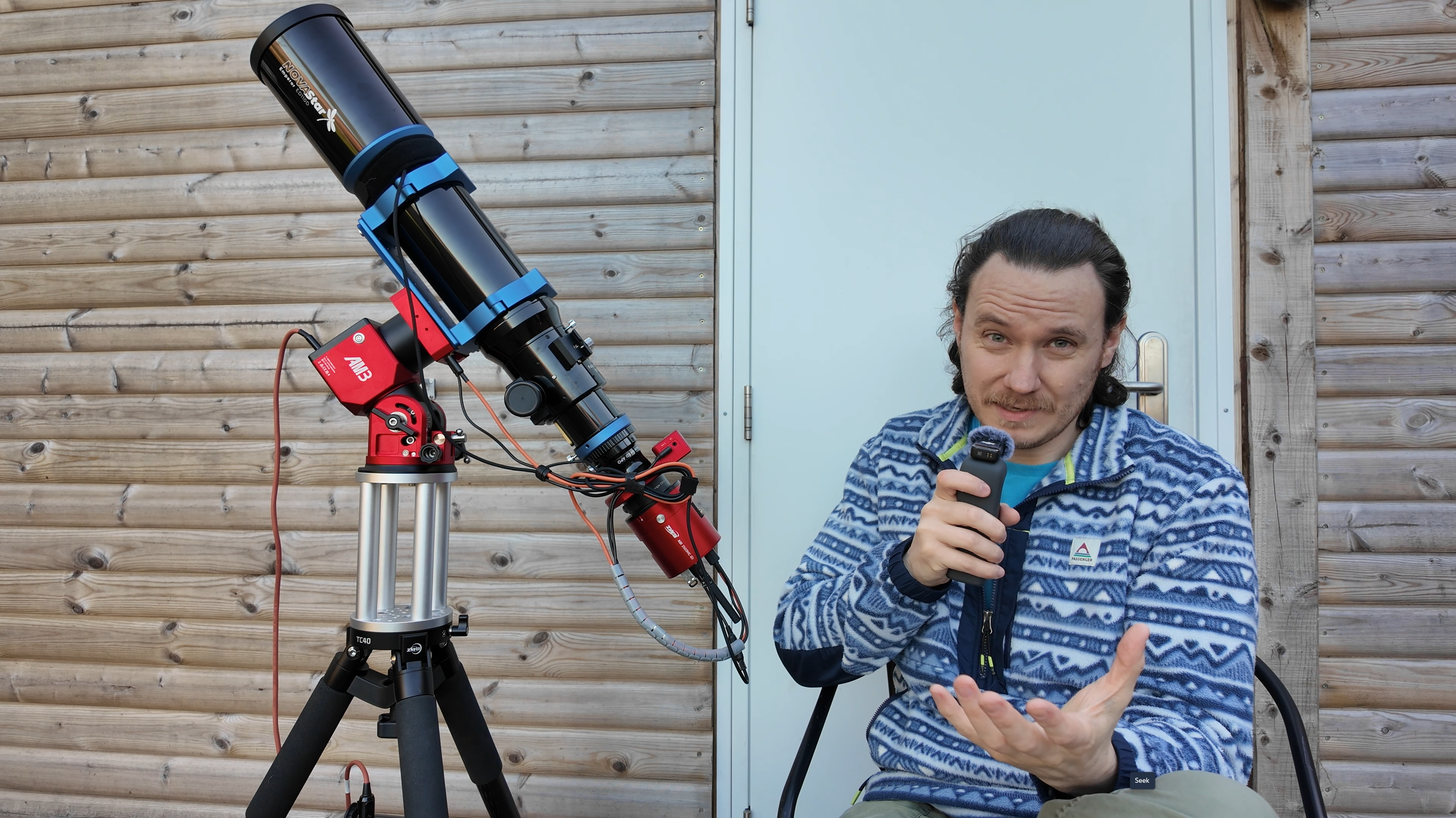
Moving on to the scope itself the positive impressions continue, with it’s almost glass-like shiny black finish it’s bound to catch an admiring glance or two (it is however a bit of a fingerprint magnet!)
In terms of size and manageability I’m happy to say the scope can ride on even an AM3 class mount, it is compact and not too heavy making it easy to swing around even on smaller mounts.
Mechanically the scope is sound, the rack & pinion focuser feels smooth yet tensioned properly, no slip present and no deflection noted even at the minimum/maximum extents, the focuser unit is actually extremely similar to the early Esprit 120 models, even down to the lock design, my only mechanical complaints being a bit of dewshield slip/droop in cold conditions (I’m sure there’s a joke in there somewhere) and the focuser lock-knob is unnecessary, even possibly counterproductive as it introduces a tiny amount of drawtube creep when applied.
A note on auto-focuser attachment – I was a little surprised to find that the standard attachment method for the popular ZWO EAF wasn’t suitable for this scope, so if you are looking at auto focus then be aware you may need to seek alternative attachment methods.
Optically, I was pleased to see the scope performing well with full-frame coverage being possible with the Novastar 1.0x Flattener, maintaining the native 660mm focal length.
If you’re sticking to APS/C sized sensors, then the 0.8x reducer also becomes a possible choice, with stars only showing minor issues to the extreme corners.
If you’re imaging with something smaller, like the 533 or 585 sensors popular today, then the 0.6x reducer is workable too, but I would not advise going beyond this sensor size.
Colour is controlled well, with only minor chromatic aberration visible on brighter stars, the best performance in this regard comes with the 1.0x flattener in place, which allows the scope to ‘shine’ at its best I feel.
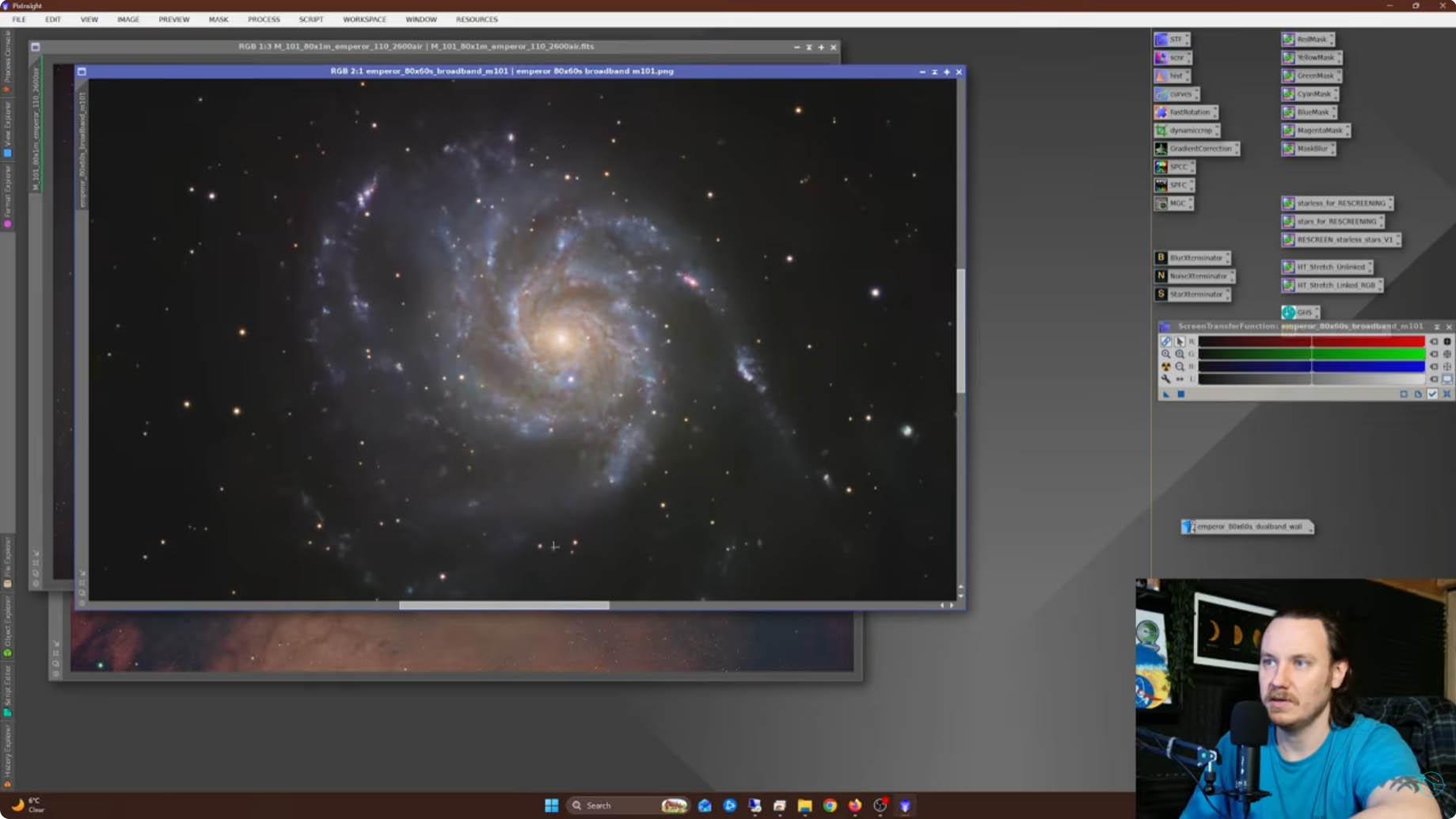
For my testing I took images in broadband and dual-narrowband using the 0.8x reducer, processing was done in PixInsight using the usual slew of tools that make up my workflow (bxt, nxt, sxt, etc)

At just 80x1m for each image, taken under Bortle class 7 skies I was happy with the performance, everything cleaned up nicely and after the usual processing steps are applied, you’d be hard pressed to tell the differences from a scope costing much more. Food for thought, perhaps.
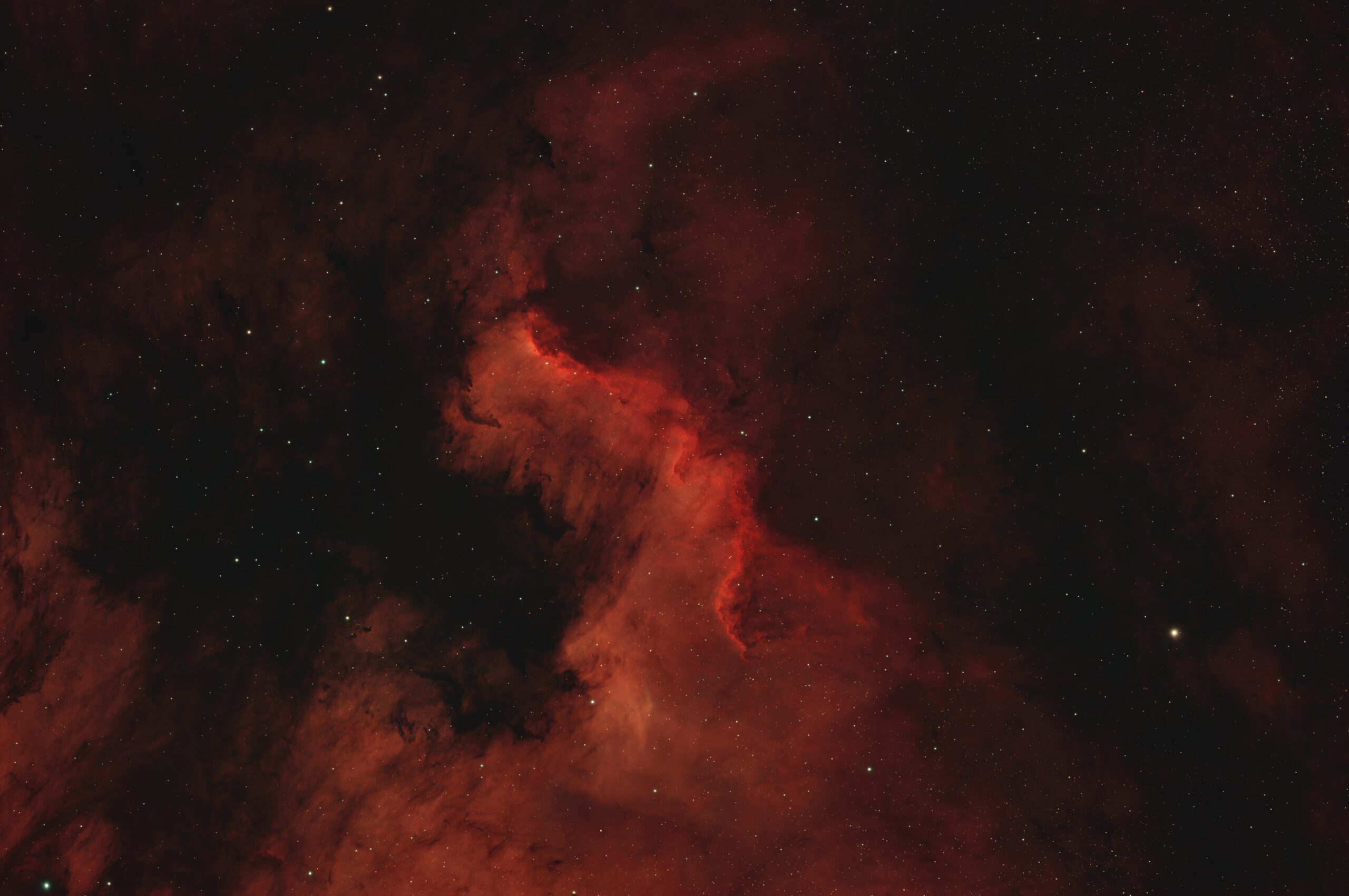
All in, I think the scope offers a lot in a well-priced package and will probably be able to make many people happy, and keep that interest alive as you scan around for your next target!
If you’d like to see more, then my in-depth review is available in full on YouTube –
Here is also a link to the above video:
The Humble DOUBLET!Clear skies!
Luke
Like this post? Spread the word!
Posted on April 23rd, 2026.